Field and office context separates
Site reality and project records do not always reach each other quickly.
AI for construction + development · Canada
Salient AI helps construction and development teams reduce information gaps between the office, site and client—while experienced people remain responsible for safety, scope and delivery.
Start with your workflowDiscuss AI for construction & development↗
The industry reality
Plans, estimates, changes, site notes and client decisions move through different people and systems. AI can help prepare, retrieve and route that information, but contractual commitments, technical judgement and safety must remain clearly owned.
Where pressure builds
These patterns shape where a focused AI use case can create practical value first.
Site reality and project records do not always reach each other quickly.
A decision can affect schedule, cost, materials and multiple trades.
Progress updates and closeout records often depend on manual collection.
Inside the work
Technology earns its place when it makes real work clearer, calmer and more useful for the people doing it.

Site reality and project records do not always reach each other quickly.

A decision can affect schedule, cost, materials and multiple trades.
What we can build
Marketing, sales and operations opportunities are designed as one customer and team experience.
Organize market, property and bid information before the pursuit decision.
Retrieve approved assemblies, scope language and historical context for estimator review.
Make current drawings, procedures and approved answers easier to retrieve.
Structure notes and images into consistent progress summaries for review.
Route decisions, dependencies and follow-up without obscuring contractual ownership.
Prepare clear updates grounded in verified project information.
From possibility to practice
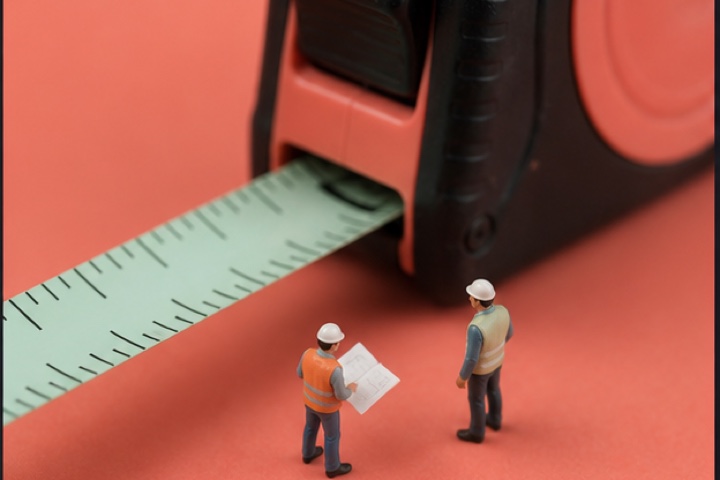
Organize market, property and bid information before the pursuit decision.

Structure notes and images into consistent progress summaries for review.
A sensible first use case
Pilot a weekly construction project update from approved site notes and current project records. Define the cutoff date, expected sections and project lead reviewer. Use automatic summarization to prepare a draft, flag missing inputs and link back to source material. Test a superseded note and conflicting dates before the draft is distributed.
One focused implementationMap this opportunity↗Client work in construction & development
These are genuine client examples selected because the market, workflow or customer journey connects directly to this sector.
Explore all client work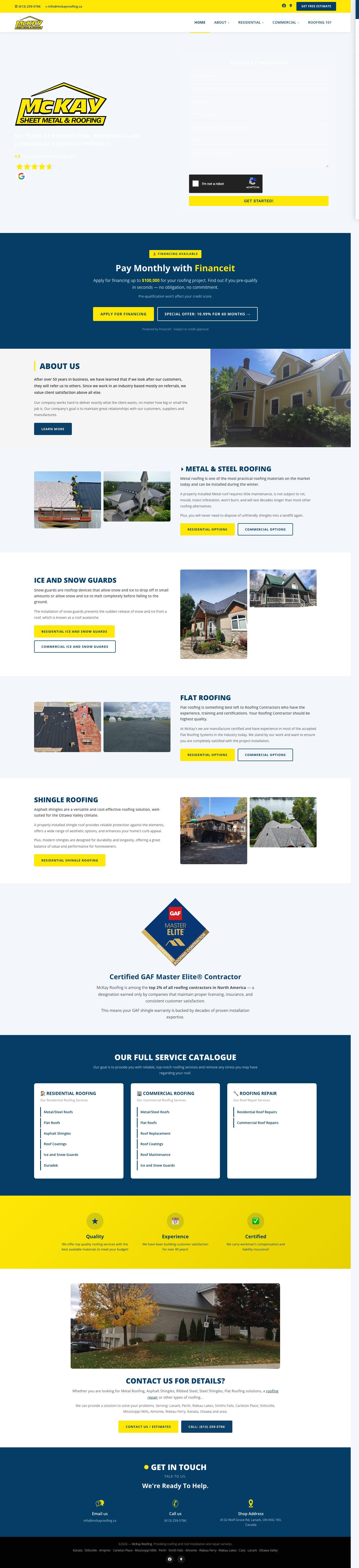
 McKay Roofing
Search visibility that earns bids, followed by a one-day prototype and an integrated operations-platform rebuild.
Read the client story ↗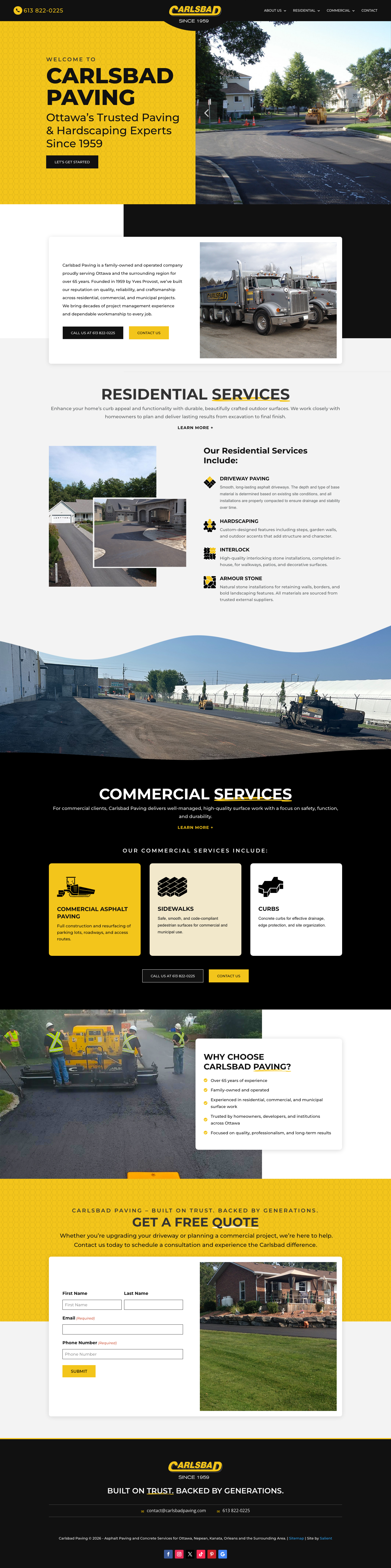
 Carlsbad Paving
A WordPress redesign and search foundation for residential, commercial paving and concrete work.
Read the client story ↗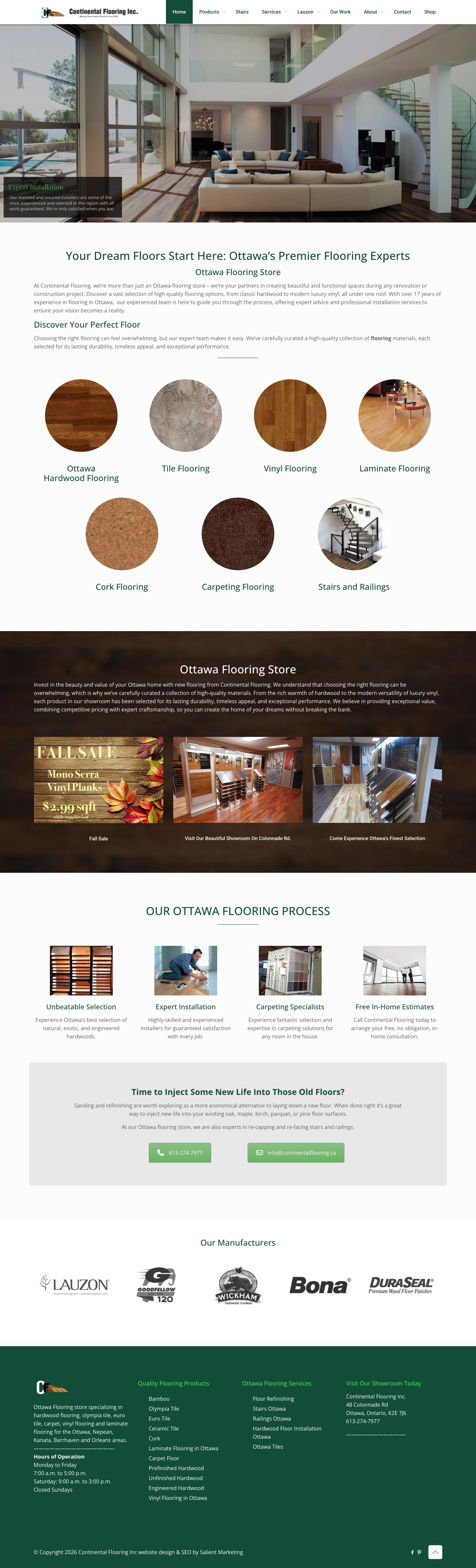
 Continental Flooring
A durable website and organic program organized around every material and service in the flooring decision.
Read the client story ↗Keep the right things human
✓Current approved project documents
✓No autonomous safety or engineering decisions
✓Human approval for scope, cost and schedule commitments
✓Clear access by project and role
Questions worth asking
It can assist with retrieval and extraction, but accuracy must be validated and current approved documents must remain the source of truth.
AI can support preparation and retrieval of historical information. Qualified estimators must verify quantities, assumptions, exclusions and pricing.
Use project-specific access, approved tools and clear retention rules. Sensitive bid, client and personnel information should not enter uncontrolled systems.
No. A summary should distinguish reported progress, proposed changes and approved decisions. Contract, safety and technical approvals stay with the existing responsible people and processes.
Record source versions and the reporting cutoff, and identify which records are current. Test superseded notes and conflicting inputs, then have the project lead verify the draft before distribution.
Related resources
Your context first
We’ll help identify a practical first use case, the boundaries that matter and what a useful result should prove.
Ottawa-based · Canada-wideSchedule an AI opportunity session↗