Project context changes by phase
What matters during pursuit, design, review and construction administration is different.
AI for architecture + engineering · Canada
Salient AI helps architecture and engineering teams prepare project briefings from current meeting records and approved documents, making decisions, open questions and accountable owners easier to review.
Start with your workflowDiscuss AI for architecture & engineering↗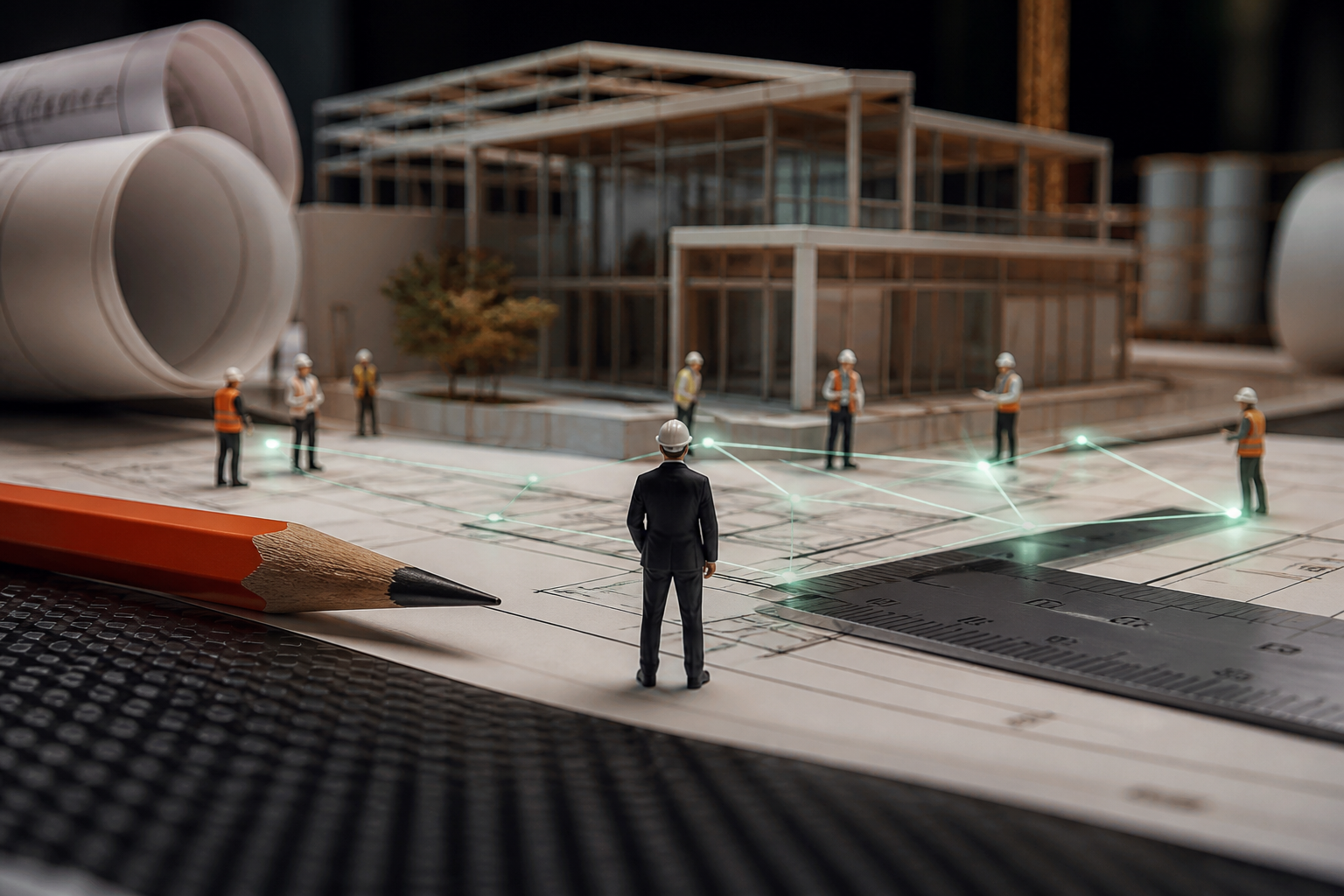
The industry reality
Requirements, models, calculations, standards, decisions and communications move across disciplines and phases. AI can help retrieve and prepare project information when approved sources, version control and professional accountability are designed in.
Where pressure builds
These patterns shape where a focused AI use case can create practical value first.
What matters during pursuit, design, review and construction administration is different.
Teams repeatedly summarize decisions, comments, risks and outstanding information.
A plausible output is not a substitute for validated analysis or sealed professional work.
Inside the work
Technology earns its place when it makes real work clearer, calmer and more useful for the people doing it.

What matters during pursuit, design, review and construction administration is different.

Teams repeatedly summarize decisions, comments, risks and outstanding information.
What we can build
Marketing, sales and operations opportunities are designed as one customer and team experience.
Retrieve relevant experience, team and project proof for proposal preparation.
Structure approved briefs, codes and client criteria for team review.
Make current decisions, standards and approved documents easier to retrieve.
Organize comments, open questions and dependencies across disciplines.
Prepare consistent records from verified project inputs.
Translate technical progress into clear, reviewed updates.
From possibility to practice

Retrieve relevant experience, team and project proof for proposal preparation.

Organize comments, open questions and dependencies across disciplines.
A sensible first use case
Choose one architecture or engineering project’s weekly briefing. Define the current source set, revision cutoff and project reviewer. Prepare a summary of recorded decisions and open actions with references to their source. Test a superseded drawing reference, a proposed decision that was not approved and conflicting meeting notes. Keep technical conclusions and design approval outside the drafting task.
One focused implementationMap this opportunity↗Keep the right things human
✓Current approved project sources
✓No autonomous design, code or safety decisions
✓Licensed professional review where required
✓Visible document version and ownership
Questions worth asking
It may assist targeted review, but code interpretation and professional compliance responsibility remain with qualified people.
It can support exploration, but the architect or engineer must assess suitability, performance, context and professional obligations.
Use controlled sources, named owners, visible versions and a conservative response whenever authority is uncertain.
It should not. Preserve whether the source records a proposal, open question or authorized decision. Have the project reviewer resolve ambiguous notes before the briefing is shared or used to assign consequential work.
No. It organizes approved project information and makes source references easier to check. Technical interpretation, design verification and approvals remain with the responsible professionals and their established processes.
Related resources
Your context first
We’ll help identify a practical first use case, the boundaries that matter and what a useful result should prove.
Ottawa-based · Canada-wideSchedule an AI opportunity session↗