Discovery is fragmented
A customer may encounter the brand on social, search, a product page and in-store before deciding.
AI for retail + boutiques · Canada
Salient AI helps retailers and boutiques answer product questions from approved catalogue and store-policy information, connect customers to knowledgeable staff and keep online inquiries useful to the store.
Start with your workflowDiscuss AI for retail & boutiques↗
The industry reality
Retail teams carry valuable product knowledge while managing changing inventory, campaigns and questions across channels. AI can help organize discovery and routine response, provided recommendations remain grounded in real products, policies and human judgement.
Where pressure builds
These patterns shape where a focused AI use case can create practical value first.
A customer may encounter the brand on social, search, a product page and in-store before deciding.
Fit, availability, features, care and alternatives consume time across every channel.
Content performance, customer questions and store observations do not always reach merchandising decisions.
Inside the work
Technology earns its place when it makes real work clearer, calmer and more useful for the people doing it.

A customer may encounter the brand on social, search, a product page and in-store before deciding.

Fit, availability, features, care and alternatives consume time across every channel.
What we can build
Marketing, sales and operations opportunities are designed as one customer and team experience.
Structure products, categories and buying guidance around how customers actually explore.
Create a dependable rhythm from new arrivals, staff expertise and real customer interests.
Answer approved questions and route nuanced style or product recommendations to staff.
Organize search, question and feedback themes into useful signals for the team.
Support relevant, permission-aware communication after an inquiry or purchase.
Bring together recurring channel information in a clearer operating view.
From possibility to practice

Structure products, categories and buying guidance around how customers actually explore.

Organize search, question and feedback themes into useful signals for the team.
A sensible first use case
Choose one retail product category with frequent customer service questions. Assemble approved product information, current store policies and a staff contact. Test a discontinued item, uncertain stock and a request that needs personal advice. Judge useful answers and store inquiries before expanding the catalogue or connecting inventory.
One focused implementationMap this opportunity↗Client work in retail & boutiques
These are genuine client examples selected because the market, workflow or customer journey connects directly to this sector.
Explore all client work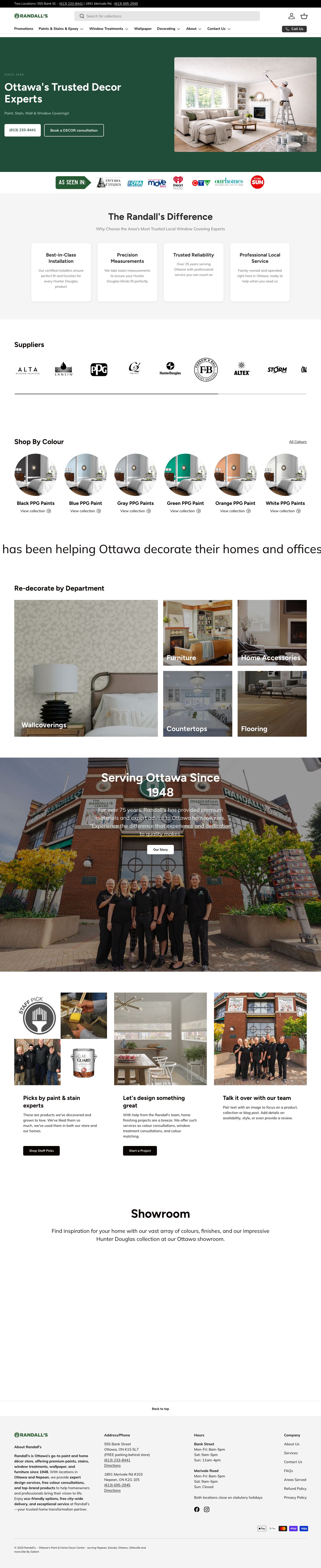
 Randalls
A broad Shopify destination plus a focused Hunter Douglas growth engine for window-covering demand.
Read the client story ↗
 Rhino Coffee Roasters
Shopify design and search strategy supporting a Tofino coffee producer’s wholesale growth beyond the coast.
Read the client story ↗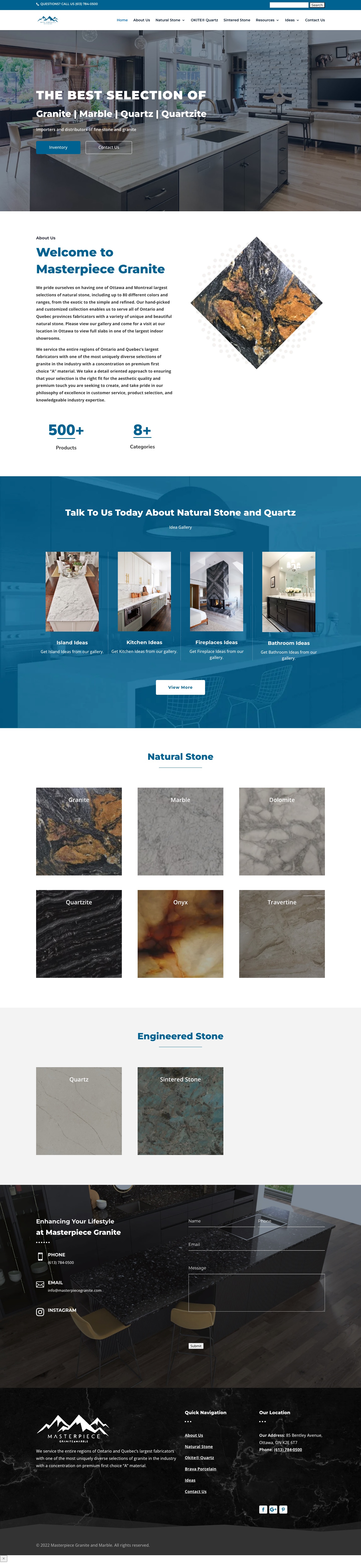
 Masterpiece Granite
A searchable live-stone inventory serving local fabricators while extending unique product visibility across Canada.
Read the client story ↗Keep the right things human
✓Current product, pricing and inventory information
✓No invented claims or specifications
✓Consent-aware customer follow-up
✓Staff control over recommendations and exceptions
Questions worth asking
Yes, when recommendations are constrained to current, verified product information and the limits are clear. Nuanced fit, taste and suitability questions should still reach knowledgeable staff.
Yes. Local discovery, product education, appointment or inquiry support and content systems can connect digital interest to a physical store.
By making its genuine strengths easier to access: curation, specialized knowledge, service and local relevance. AI can extend those advantages without trying to imitate mass retail.
Only when the agreed workflow has a sufficiently current inventory source and a defined confirmation rule. Otherwise it should help the customer request a stock check from staff.
Assign an owner to the approved sources and test how changes reach the assistant. Withdraw discontinued items and obsolete policies rather than letting the assistant continue answering from an old catalogue.
Related resources
Your context first
We’ll help identify a practical first use case, the boundaries that matter and what a useful result should prove.
Ottawa-based · Canada-wideSchedule an AI opportunity session↗